As we age, keeping the mind sharp is just as important as staying physically active. Short-term memory exercises play a vital role in supporting cognitive function, strengthening working memory, and improving memory recall. Whether you are looking to challenge your brain, address mild cognitive changes, or support a loved one experiencing memory loss, incorporating simple, effective memory exercises into daily life can make a meaningful difference.
Short-term memories help us remember names, follow conversations, and complete everyday tasks. When these skills are strengthened through consistent practice, they also support long-term memories and overall brain health. Research shows that intentional brain training may help slow cognitive decline and support individuals living with mild cognitive impairment or the early stages of Alzheimer’s disease.
Below, we explore practical short-term memory exercises and healthy lifestyle strategies that can help improve your memory, boost cognitive function, and support healthy aging—many of which are intentionally woven into daily life at The Arlington, a Life Plan Community in Naples, Florida offering both LifeCare and direct admissions to memory care.

Cognitive Short-Term Memory Games to Challenge Your Brain
Cognitive games are one of the most enjoyable and effective ways to strengthen short-term memory and working memory. These activities challenge your brain to store, process, and retrieve information quickly.
- Crossword puzzles and word searches
- Sudoku and number puzzles
- Card matching and memory games
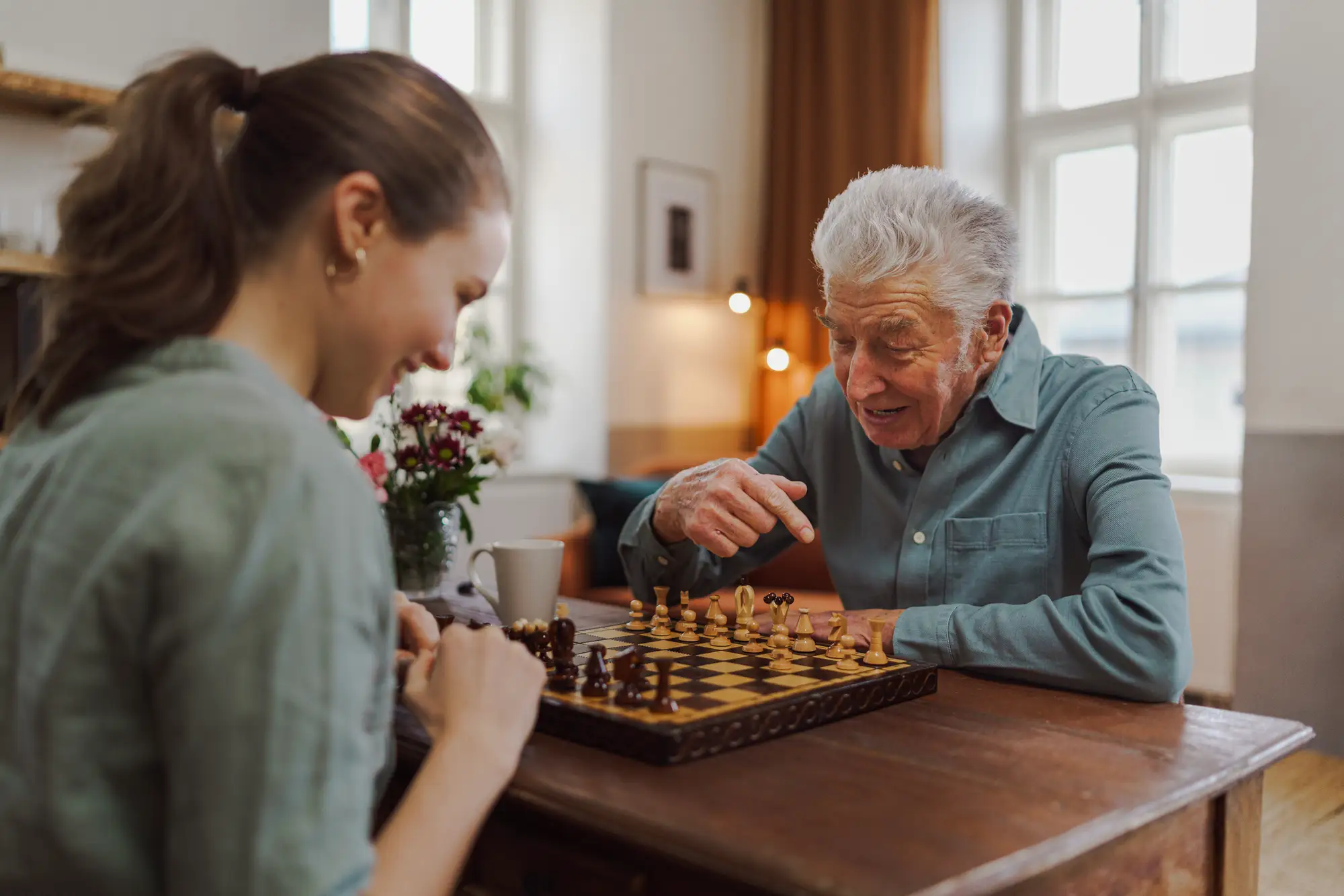
- Chess, dominoes, and strategy board games
- Brain-training and memory game apps
These short-term memory games help improve focus, encourage using problem-solving skills, and challenge your brain in new ways. Just 15–20 minutes a day can support improved memory and help protect against cognitive decline over time.
Visualization and Mnemonic Techniques
Visualization and mnemonic techniques are powerful tools for strengthening memory recall. By connecting information with images, stories, or patterns, the brain is better able to store and retrieve short-term memories.
- Associate names with visual images or familiar objects
- Create acronyms or rhymes to remember lists
- Turn grocery items or errands into a short story
These techniques activate multiple areas of the brain, making information more memorable and easier to recall later. Over time, they can significantly improve your memory and support stronger working memory skills.
Repetition and Recall
Repetition and recall are foundational exercises for strengthening short-term memory. Repeated exposure to information helps reinforce neural pathways, while active recall challenges the brain to retrieve details without prompts.
Try reading a short article or paragraph, then writing down or discussing what you remember. Reviewing names, appointments, or instructions aloud can also reinforce memory retention. These exercises strengthen memory recall and help short-term memories transition into long-term memories.
Active Learning to Strengthen Memory
Learning something new is one of the best ways to boost cognitive skills and challenge your brain. Active learning stimulates new neural connections and supports improved memory at any age.
- Taking an art class
- Learning to play a musical instrument
- Trying new recipes or cooking techniques
- Exploring a new language or technology skill
These activities not only enhance short-term memory but also promote creativity, confidence, and social engagement—key factors in overall brain health.
Mindfulness and Meditation
Mindfulness and meditation are effective tools for improving focus, concentration, and working memory. By reducing stress and improving attention, these practices support better memory performance.
Even 5–10 minutes of guided meditation, deep breathing, or quiet reflection each day can help improve cognitive function. Mindfulness also supports emotional well-being, which plays an important role in memory and mental clarity.
Everyday Activities That Support Memory
Short-term memory exercises don’t have to feel like work. Many everyday activities naturally support memory recall and cognitive health.
- Following a daily routine while making small changes
- Engaging in conversations and social activities
- Reading, journaling, or storytelling
These simple habits strengthen both short-term and long-term memory while helping seniors stay socially connected and mentally engaged.
Advanced Exercises to Further Challenge Your Brain
For those looking to take memory training a step further, advanced exercises can enhance working memory and mental flexibility.
- Dual-tasking, such as walking while recalling a list of words
- Brain-training apps with increasing difficulty levels
- Creative problem-solving like trip planning or budgeting
These exercises encourage deeper concentration, improved memory recall, and stronger cognitive resilience.
Tips for Getting Started
Getting started with short-term memory exercises doesn’t have to feel overwhelming. Small, intentional changes can make a meaningful difference over time, especially when they fit naturally into your daily routine. Check out the following tips:
- Start small with short daily sessions
- Focus on consistency rather than intensity
- Track progress in a journal to notice improvements
- Choose activities you enjoy to stay motivated
If memory loss becomes more noticeable or interferes with daily life, it’s important to seek professional guidance. Consulting with a retirement community that offers memory care can provide valuable support and personalized strategies.

How The Arlington Supports Cognitive Health Through Short-Term Memory Exercises
At The Arlington, cognitive wellness is supported through personalized memory care programs, engaging activities, and expert guidance, including Heartfelt Connections – A Memory Care Program®, which focuses on meaningful activities that honor each resident’s abilities, dignity, and sense of purpose.

Residents benefit from structured short-term memory exercises, social interaction, wellness programming, and compassionate support tailored to their individual needs. Our experienced team is always happy to answer questions and help families better understand cognitive changes and available support options.
Whether someone is looking to maintain cognitive function, address mild cognitive impairment, or receive specialized memory care, The Arlington provides a safe, vibrant community designed to support whole-person well-being.
Help your loved one maintain their cognitive health with expert-guided memory care. Contact The Arlington today to learn how our memory care programs and engaging activities can support short-term memory and overall brain health in a safe, vibrant community.