By Sharon Roth Maguire
When we talk about aging, the conversation too often centers on how long we live. But longevity alone isn’t the goal. What truly matters is how well we live as we age.
That belief sits at the heart of my work — and my life.
Person First, Always
Before we talk about diagnoses, medications, or chronic conditions, we must understand the person. Person-centered care isn’t a trend; it’s a philosophy that has guided my nearly 40-year career as a geriatric nurse practitioner.
I often ask people to complete a simple sentence: “I am a…”
Not your job title. Not your credentials. Just who you are as a human being.
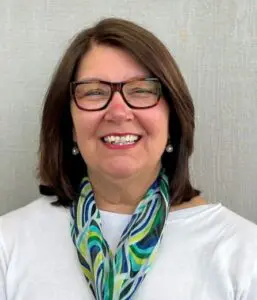
For me, that looks like this: I am a mother. I am a dog lover and volunteer. I am a proud Wisconsinite and a devoted Green Bay Packers fan. And perhaps most importantly, I am a servant — someone who believes deeply in a life of service to others.
That exercise is powerful because it reminds us of something essential: great elder care begins with knowing the story of the person, not just their medical chart.
From Lifespan to Well-Span
We hear a lot today about longevity and health span. Let’s level-set what those terms really mean:
- Longevity: The length of life
- Well-being: A state that includes physical, mental, and emotional health
- Health span: The number of years lived in good health
I’d like to add another concept: well-span — the years of life lived feeling well, with purpose, connection, and meaning.
Here’s the critical point:
The absence of illness does not equal wellness.
Many people live with chronic conditions as they age — diabetes, heart disease, arthritis — and still live full, joyful, meaningful lives. Aging with illness does not disqualify anyone from being “well.”
Our goal as caregivers, clinicians, and communities should not be to simply add years to life, but to add life to years.
Shrinking Illness, Expanding Wellness
Today, average life expectancy in the U.S. is around 79 years, but health span often drops off closer to age 63. That leaves many years lived with significant health challenges.
The future of aging aims to change that — to compress the years of illness and expand the years of wellness, even if chronic conditions are present.
This shift is driving enormous interest in wellness worldwide. In fact, the global wellness industry now represents trillions of dollars and continues to grow rapidly. But not all wellness trends are created equal.
Evidence Matters: First, Do No Harm
While innovation is exciting, we must remain grounded in evidence — especially when caring for older adults. Some emerging wellness practices are promising, while others lack research or safety data in aging populations.
There is no substitute for the fundamentals, which science continues to validate:
- Move your body every day
- Eat a mostly plant-based, antioxidant-rich diet
- Get adequate sleep (yes, even as we age)
- Avoid smoking and limit alcohol
- Manage chronic conditions early and consistently
- Prioritize relationships and social connection
- Cultivate a positive, resilient mindset
These aren’t flashy. They’re effective.
Connection Is the Superpower of Aging Well
Across decades of research — from Blue Zone studies to modern longevity science — one factor stands out repeatedly: social connection.
People who remain socially engaged, who feel purpose and belonging, consistently experience better physical health, stronger cognition, and greater happiness as they age.
In fact, studies of “super-agers” — people over 75 with exceptional physical and cognitive health — show that social engagement and a positive outlook matter even more than diet or exercise alone.
Loneliness, on the other hand, has become a national public health concern. Human connection is as essential as food, water, and shelter.
Technology, AI, and the Future of Care
The future of healthcare is already here.
Wearable devices, telehealth, artificial intelligence, and precision medicine are transforming how we prevent disease, personalize treatment, and support independence. Tools like smart watches can detect falls, irregular heart rhythms, and sleep disturbances — sometimes before a person even realizes something is wrong.
AI will never replace human caregivers. But it can enhance care, reduce repetitive tasks, and help us make better-informed decisions.
Wellness as a Personal Journey
At LCS, we define wellness as a person-centered, evidence-informed approach to mind, body, and spirit — accessible to all.
There is no one-size-fits-all path to well-being. True wellness begins with personalization — understanding what matters most to each individual and supporting them in ways that align with their values, interests, and goals.
Some people will thrive with fitness programs. Others find wellness through nature, art, spirituality, volunteering, or quiet reflection. All are valid.
A Life Well Lived Is Long Enough
Aging is not about chasing perfection or fearing decline. It’s about connection, meaning, and honoring the fullness of life at every stage.
If we can help people live longer and live better — feeling well, staying engaged, and remaining true to who they are — then we are doing something truly worthwhile.
Because in the end, a life well lived is long enough.